
What Is Bioidentical Hormone Replacement Therapy? Understanding an Innovative Treatment Option

What is bioidentical hormone replacement therapy and how can it help you?

Bioidentical hormone replacement therapy (BHRT) is a powerful therapy made from plant-based hormones that are chemically identical to those produced by the body. BHRT is prescribed to treat a wide variety of hormone-related symptoms in both men and women, including those going through menopause or andropause and who have thyroid disorders or adrenal fatigue. Whether you need support due to natural hormonal transitions or a medical condition, BHRT can be a life-changing therapy that has helped people take control of their health and find a comfortable balance for over 30 years.

The Surprising History of BHRT

Doctors and scientists first started experimenting with hormone-based medications when Edward A. Doisy discovered estrogen in 1929. After Doisy isolated estrogen through urine and blood analysis, scientists went on to discover dozens of other hormones that exist in the human body and began exploring the possibility of using these hormones to address a broad range of hormone-related symptoms. The first of many commercially available hormone medications, Emmenin, was created only five years later to alleviate menstrual cramps and, in time, hormone replacement therapy emerged as the most effective treatment for symptoms of menopause. These initial medications (which we now refer to as conventional hormones) were synthesized chemically or from animal sources.

In 1982, after decades of progress in the hormone medication field, bioidentical hormone replacement therapy emerged when Dr. Jonathan Wright met with a patient to discuss treatment for menopause. She experienced all the uncomfortable signs of reduced estrogen—hot flashes, night sweats, mood changes—and was interested in hormone replacement therapy. However, this patient asked for something unique: she challenged Wright to prescribe hormones that were identical to those produced by her own body and not those of an animal.

Intrigued, Wright partnered with one of the few compounding pharmacists in North America at that time to craft a custom medication. The finished tablet included the three main types of estrogen (estrone, estradiol, and estriol) in a ratio identical to healthy hormone levels of premenopausal women. Since that day, bioidentical hormone replacement therapy has changed the future of hormone health, helping countless individuals overcome hormone-related conditions and symptoms.

The Benefits of Bioidentical Hormone Replacement Therapy

Bioidentical hormone medications are as diverse as the patients who take them—which means that the benefits change depending on which hormones are prescribed. Your personal BHRT medication may include any number of hormones in combination, including estrogen, testosterone, DHEA, progesterone, or thyroid hormones. The ratio of hormones prescribed will be determined by a health practitioner after extensive testing of your hormone levels and a thorough evaluation of your symptoms.

Whether you’re taking hormones orally, absorbing them through the skin, or have them implanted subdermally, these hormones are exactly identical to those that are produced naturally by your body.. This means that whether you’re struggling with uncomfortable symptoms of menopause or dealing with hypothyroidism, BHRT can help your body adjust and find balance.

BHRT is often prescribed to provide relief for symptoms such as:

  • Hot flashes and night sweats
  • Reduced libido
  • Fatigue and low energy
  • Thyroid imbalance
  • Sleep problems
  • Decreased bone density or muscle strength
  • Mood swings
  • Hair loss
  • Weight gain

Since its introduction, bioidentical hormone replacement therapy has risen dramatically in popularity because it is typically both effective and well-tolerated by patients. Many patients have found that they finally feel like themselves again when their hormone-related symptoms are lessened. Their chronic symptoms are alleviated, they get restful sleep, have plenty of energy, and feel more in control of their health. Indeed, patients often report that BHRT improves overall quality of life and it is widely recognized as a powerful treatment option for those who struggle with hormonal issues.

Deciding Whether BHRT Is Right For You

Conventional hormone medications and BHRT are prescribed to address the same concerns, but these treatment options are not identical. Many patients choose to take bioidentical hormones because they come from plants, unlike conventional medications, which can be derived from synthetic or animal sources. Premarin, for instance, is a commonly-prescribed estrogen medication made from pregnant mare’s urine, which creates an ethical dilemma for many women. Furthermore, conventional may be similar to human hormones, but they are not an exact match, which means your body may not react to them as they would your own hormones. In contrast, bioidentical hormones come directly from soy, yams, and other natural plant sources and are chemically and structurally identical to human hormones.

It’s also worth noting that some bioidentical hormone drugs are mass-produced and FDA approved, but BHRT in general is not yet FDA approved due to the fully customizable nature of compounded hormones. So far, no double-blind clinical trials exist comparing BHRT with conventional medications, but bioidentical hormones are believed to be safer and more effective. However, it’s important to remember that, like any pharmaceutical, both conventional hormones and bioidentical hormones come with health risks and side effects. Discuss these matters closely with your doctor to determine if BHRT is right for you.

How to Start Bioidentical Hormone Replacement Therapy

If you’re interested in pursuing bioidentical hormone replacement therapy, the first step is partnering with an expert practitioner who has significant education and experience in hormone health. This practitioner will design a treatment plan for you and act as a coordinator between you and the compounding pharmacy that creates your custom hormone medication. It’s incredibly important that you trust this person and can rely on their expertise to help you achieve optimal wellness.

To begin, your practitioner will thoroughly evaluate your physical health and the symptoms you experience. They will then take a snapshot assessment of your hormone levels through extensive blood, urine, and/or saliva testing. With all of this information in hand, your practitioner will create a custom hormone prescription that fits your needs and preferences. With close monitoring, you’ll continue taking and adjusting the medication until the perfect hormones and dosage are solidified.

Finding an Expert BHRT Practitioner

The general consensus within the medical community is that, just like with other medications, you should take bioidentical hormones at the lowest dose and the shortest duration possible to achieve symptom relief. As such, the best hormone health practitioners also provide holistic counsel on nutrition and lifestyle changes that can help shape wellness in the long term. We recommend selecting a highly experienced practitioner in integrative medicine and hormone health, such as those within the BodyLogicMD network. With their guidance, you will have the support you need to confidently address your symptoms and move toward better health.

BodyLogicMD-affiliated practitioners are experts in integrative medicine and hormone health. Our certified practitioners specialize in bioidentical hormone replacement therapy and are among the top medical professionals in the country offering this unique and innovative treatment. If you’re ready to take control of your health, our network of practitioners can help you set meaningful wellness goals and create a treatment plan that’s customized to your individual needs. Contact a local practitioner in your area to start your journey toward optimal health, or take our Hormone Balance Quiz to learn more about how hormones are impacting your everyday life and dive deeper into the benefits that BHRT has to offer.

The post What Is Bioidentical Hormone Replacement Therapy? Understanding an Innovative Treatment Option appeared first on BodyLogicMD Blog.

How To Make Sure You’re Buying High Quality Supplements

Tackling The Fake Supplement Issue

How To Make Sure You’re Buying High Quality Supplements | BodyLogicMD

How To Make Sure You’re Buying High Quality Supplements | BodyLogicMD

When you’re on the search for supplements, you want them to be of the highest quality, you want them to be efficient, and you want them to come from a reliable source.

You also want them to be both cost-effective and professional-grade, ensuring the best results for your health, which means you need to know how to discern professional supplements from those that don’t contain quality ingredients, or worse, contain fillers and harmful ingredients.

First things first: according to the US Food & Drug Administration, supplements include “vitamins, minerals, herbs, amino acids, and enzymes,” and they make take the form of “tablets, capsules, softgels, gelcaps, powders, and liquids.” This is true with protein, pre-workout supplements, hair growth supplements, protein supplements, dietary supplements, herbal supplements, and weight loss pills.

While the FDA is “not authorized to review dietary supplement products for safety and effectiveness before they are marketed,” they can remove dietary supplements from the market if they are found to be unsafe or if the claims on the products are false or misleading.

Because supplements aren’t regulated by the FDA, it’s important to do your research before you purchase or consume supplements.

What Are Fake Supplements?

In 2015, The New York Times reported that several top-selling vitamin and supplement brands at several national retailers “did not contain any of the herbs on their labels.”

Instead, “tests showed that pills labeled medicinal herbs often contained little more than cheap fillers like powdered rice, asparagus and houseplants, and in some cases substances that could be dangerous to those with allergies.” Some supplements were even contaminated, leading to major health issues like hepatitis.

In an FDA Consumer Update, it was said that, “The Food and Drug Administration (FDA) has found nearly 300 fraudulent products—promoted mainly for weight loss, sexual enhancement, and bodybuilding—that contain hidden or deceptively labeled ingredients, such as the active ingredients in FDA-approved drugs or their analogs (closely-related drugs), or other compounds, such as novel synthetic steroids, that do not qualify as dietary ingredients.”

This is why it’s so important to know what you’re up against when searching for quality, professional-grade supplements. Unfortunately, there are whole markets, especially via online retailers, that sell fake supplements. In an industry worth billions, this is a real problem—with real consequences.

To ensure both quality and safety, it’s key that you purchase your vitamins and supplements from trusted sources.

How to Tell if You’re Buying Professional-Grade Supplements

According to Functional Medicine expert Jill Carnahan, MD, you’ll want to search for products citing “Good Manufacturing Practices (GMP).” As she states, “Sure, it may be slightly less convenient to get each supplement from a supplier…. but if you’re spending your money on concentrated health products, doesn’t taking the extra few minutes to make sure you’re getting exactly what it says on the bottle seem worth it? When it comes to what you’re putting in your body, we know now more than ever before it’s worth it to be vigilant. This is an important step in taking control of our health and living our best, most fulfilling lives.”

The most reputable manufacturers must comply with strict Current Good Manufacturing Practice (cGMP) regulations enforced by the US Food and Drug Administration (FDA). Manufacturers of high quality supplements also pride themselves on their products being evidence-based by means of human clinical trials published in peer-reviewed scientific journals.

Why You Should Never Buy Supplements on Amazon or eBay

You should know that not every retailer is trustworthy. Many major retail sites—like Amazon or eBay—offer too-good-to-be-true, budget supplements from hundreds of thousands of less-than-trustworthy sellers.

Just because you find a “professional-grade” product on one of these sites doesn’t mean it’s not counterfeit, and if you purchase from these sites, you run the risk of either paying for fillers or potentially taking something harmful. Make sure you know exactly who is manufacturing your supplements and what sort of quality control promise they make.

Warning Signs for Fraudulent Supplements

Warning Signs for Fraudulent Supplements | BodyLogicMD

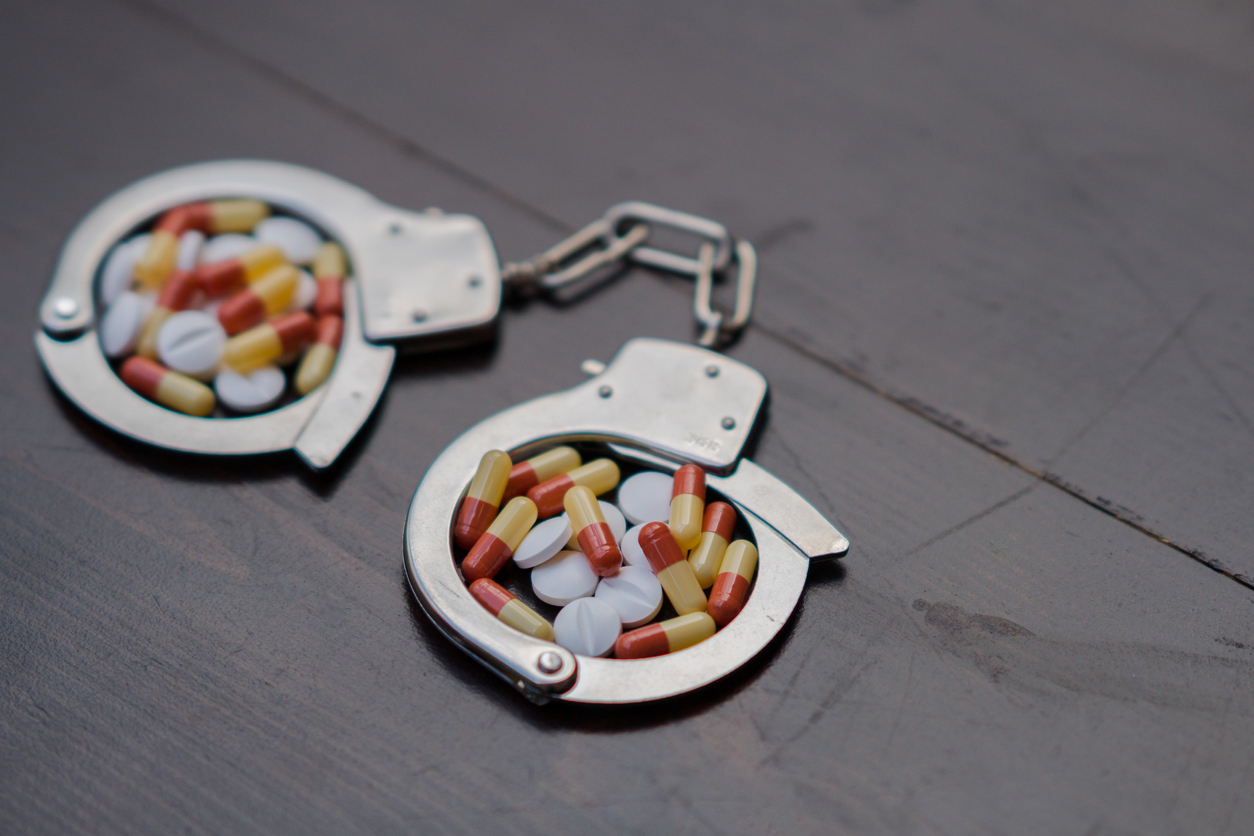
Handcuffs and pills. Selective focus

First, you’ll want to avoid shopping simply for the bargain (as we mentioned above). In fact, a bargain should be seen as a red flag! Any trustworthy company using high-quality ingredients cannot manufacture high-end supplements and offer them for very, very cheap. Many supplements on the market offering highly discounted prices run the risk of being counterfeit or offering expired, damaged, or repackaged supplements.

Next, you’ll want to play it safe and use your instincts. The US Food and Drug Administration recommends avoiding “products that are marketed primarily in a foreign language or those that are marketed through mass e-mails,” as well as products with extreme claims like “quick and effective,” “cure-all,” “can treat or cure diseases,” or “totally safe.”

You can also study the ingredient labels and use the internet to look up anything suspicious. The FDA recommends using official government sites like the National Institutes of Health, the FDA, or the USDA for research rather than the seller’s site.

You can check with the FDA to see if any of the ingredients are on their Tainted Products list. You can also check out ConsumerLab.com, which tests products independently and has no affiliations. Reviews are also your friend, but be mindful that reviews can also be counterfeit.

In the end, the US Food and Drug Administration says it’s better to be safe than sorry: “Before making decisions about whether to take a supplement, talk to your healthcare provider. They can help you achieve a balance between the foods and nutrients you personally need.”

You can report any side effects or concerns to the Consumer Complaint Coordinator in your area or through the Safety Reporting Portal.

The BodyLogicMD Promise

BoyLogicMD supplements that are properly chosen, obtained from reliable sources, and of professional grade are key when it comes to staying healthy. BodyLogicMD-partnered manufacturers focus on every element: safety, clinical trials, absorption rate, and the origin of the material.

BodyLogicMD only uses products that are of the highest quality and come from leading science-based manufacturers. These manufacturers both meet and exceed advanced safety and quality standards, including the Current Good Manufacturing Practice (cGMP). BodyLogicMD also requires that manufacturers pride themselves on their products being evidence-based.

BodyLogicMD-partnered manufacturers never use binders or fillers as these can restrict absorption and bioavailability. In addition to manufacturing products that have the best ingredients, they also ensure that their products come in the best form.

When in doubt, it’s best to ask a healthcare provider with advanced training in the area, such as a physician within the BodyLogicMD network. Supplements can be confusing, and taking the guesswork out of the process can ensure you get supplements that will safely and effectively work to improve your health and quality of life.


The post How To Make Sure You’re Buying High Quality Supplements appeared first on Bioidentical Hormone Experts.

BHRT: A Natural Treatment for Postmenopause Symptoms

there is treatment for postmenopause symptomsMenopause is a natural phenomenon that women experience as they age. But that doesn’t mean it’s easy. As your ovaries cease estrogen production, you’ve likely experienced some of your most significant bodily changes since puberty. Hot flashes, weight gain, insomnia, and depression are just the tip of the iceberg for women in the beginning of menopause, and some women deal with these symptoms for years afterward.

Once you’ve gone an entire year without a menstrual cycle, your doctor can officially designate you as postmenopausal—and if you’ve made it this far in your menopause transition, you may be breathing a big sigh of relief. But, unfortunately, while many of your symptoms may ease in the months and years following the cessation of your cycle, you might still experience some of your most troubling symptoms during this period. And, like most women, you gain new and increased risk for more serious conditions related to the aging process.

Thankfully, it is possible to lessen your risk and manage your symptoms with the help of a skilled practitioner who can develop a personalized treatment plan using bioidentical hormone replacement therapy (BHRT). Hormone therapy has been identified by the Endocrine Society as the most effective treatment for many symptoms of menopause. For postmenopausal women who are dealing with hormone-related stress and discomfort, this is good news.

Understanding Common Postmenopause Symptoms

The first step in managing your postmenopausal symptoms is understanding what your body is really going through. In the years following your last menstrual cycle, you could experience any or all of the following changes:

  • Increased risk of heart disease
  • Decreased bone density
  • Sexual discomfort
  • Urinary dysfunction
  • Vasomotor symptoms
  • Mood disturbances

These symptoms can be overwhelming, but medical treatments—including bioidentical hormone replacement therapy—can help minimize them or even eliminate them altogether.

Increased risk of heart disease

We know that blood pressure, LDL cholesterol, and triglycerides tend to go up when your body slows production of estrogen. You might find at your annual check-up that high cholesterol is now a concern for you, and you and your doctor may need to monitor your levels through medications or dietary trials. Significantly, these symptoms correlate to an increased risk for heart disease—a leading killer of women worldwide. The good news is that hormone replacement therapy has been shown to reduce the risk of coronary heart disease in postmenopausal women. Managing your risk through medical attention and lifestyle changes is both possible and pragmatic.

Decreased bone density

Estrogen stimulates bone growth throughout a woman’s fertile years, and the hormonal changes brought on by menopause can cause significant bone loss. The loss of bone density experienced by women in postmenopause can translate to decreased balance and increased vulnerability to fractures. Hormone therapy can help increase bone mineral density and reduce your risk of fractures, especially when initiated early in the menopause process.

Sexual discomfort

Menopause also causes atrophy in other areas of the female body, which can involve significant changes in the way a woman enjoys sexual activity. If you’re experiencing vaginal bleeding, discomfort, or dryness during sex after menopause, you might be having symptoms of genitourinary atrophy. Estrogen therapy can help ease the discomfort that comes from this thinning and drying of the vaginal tissues—and may help restore libido as well.

Urinary dysfunction

You might notice a weakening in your pelvic floor muscles during postmenopause, which can result in a frustrating—and often embarrassing—difficulty holding your urine. In addition to incontinence, urinary tract infections, increased urgency, and increased frequency are all uncomfortable symptoms that postmenopausal women can experience. Urgency medications, pelvic floor exercises, and other medical interventions may be useful in lessening these symptoms.

Vasomotor Symptoms

For many women, the severity and frequency of hot flashes ease after menopause. However, some experience these vasomotor symptoms for years following the cessation of their cycle. Continued hot flashes, night sweats, and resulting insomnia are all very possible and common postmenopause symptoms. Some women choose to “wait it out” in hopes that these experiences will lessen over time—but when easy and accessible treatment options like BHRT exist, there’s really no reason to suffer alone.

Mood Disturbances

Finally, it’s very possible for women to endure difficult mood and mental health changes during postmenopause. While mood swings can be the result of fluctuating estrogen and progesterone levels (and would therefore drop off after menopause occurs), many women struggle with depression and anxiety as a result postmenopausal hormone levels as well. If you’re experiencing these symptoms, it’s possible that hormone therapy can help support psychological stability and emotional tranquility. However, it is important to seek help from a psychiatrist or psychologist first to ensure that you are getting the right help.

Seeking Treatment for Your Postmenopausal Symptoms

Menopause is natural part of the aging process for women, so it makes sense that the ideal treatment option is natural as well. Bioidentical hormone replacement therapy uses hormones that are derived from plants and chemically identical to the hormones made by your own body. As such, BHRT can replenish depleted hormone levels in a way that is typically highly effective, well-tolerated, and customizable.

BHRT starts with a thorough symptom evaluation, medical history questionnaire, and testing of your individual hormone levels to identify an optimal treatment strategy. You’ll work one-on-one with a highly qualified physician to determine a medication, dosage, and format that’s right for you. The best practitioners will also consult with you about which nutrition and lifestyle habits will supplement and support your BHRT for a comprehensive and well-rounded treatment plan that addresses all of your concerns.

No matter what your postmenopause symptoms are, or how long you’ve suffered, it’s time to get your life back. Women who receive BHRT treatment often feel younger, healthier, and more alive than they’ve felt in years when their menopause symptoms ease—they feel like themselves again. With less discomfort and a renewed sense of well-being, postmenopause can be an exciting new stage in life rather than a burden.

BodyLogicMD can help you stay healthy and comfortable in postmenopause with expert care from a highly skilled practitioner who specializes in bioidentical hormone replacement therapy and integrative medicine. The practitioners within the BodyLogicMD network are among the top medical professionals in the nation and specially trained to help you address hormonal health concerns using the best therapies available. To begin your journey, contact a local practitioner to schedule your first appointment or take the BodyLogicMD Hormonal Balance Quiz today.

The post BHRT: A Natural Treatment for Postmenopause Symptoms appeared first on Bioidentical Hormone Experts.

No, Male Menopause Is Not Just a Midlife Crisis: Your Guide to Andropause

male menopause is different than a midlife crisis

Many men struggle with the way they look and feel as they age. Balding, trouble maintaining a healthy weight, enlarged male breast tissue, and trouble adding muscle mass start to nag you, potentially for the first time. Meanwhile, symptoms like erectile dysfunction, fatigue, low libido, and depression can drastically interfere with your relationships and your sense of self. Often, men often brush these experiences off as inevitable consequences of aging or stress and resign themselves to their new reality. In recent years, however, a growing number of men have become familiar with the term “male menopause” to describe the age-related symptoms that emerge in midlife.

Unfortunately, male menopause is sometimes assumed to be another term for a midlife crisis, and the emotional upheaval men experience at this time is often seen as a simple aversion to aging. But while the symptoms men experience as they transition into middle age may be intimately intertwined with the crisis of identity and confidence that defines a midlife crisis, male menopause is a fundamentally biological process that can cause significant physical and emotional distress rooted in hormonal change. And you don’t have to accept these changes. By gaining a deeper understanding of male menopause—also known as andropause—you can more fully recognize your symptoms for what they are and develop a plan to address them using cutting-edge hormonal therapies.

Identifying the Symptoms of Male Menopause

Male menopause is also known as andropause and is caused by hormonal changes, similar in scope to the menopause experienced by women. Symptoms of these changes may include:

  • Hair loss
  • Fatigue
  • Difficulty gaining muscle
  • Difficulty losing weight
  • Erectile dysfunction
  • Low libido
  • Gynecomastia
  • Depression
  • Hot flashes
  • Increase in belly fat

Each of these symptoms is linked to naturally decreasing levels of testosterone, which begin to recede in your early 20s. The symptoms themselves, however, typically emerge in midlife. Not all men will experience all of the symptoms of andropause, nor will all men experience symptoms of the same intensity.

Why Male Menopause Can Be Hard to Recognize

While the impact of decreasing testosterone is well-known in the medical community, many men fail to attribute their symptoms to hormonal change due to the environmental stressors and life changes that are so often present in midlife. Kids are getting older and parenting is becoming more complex. Or they may be going off to college, and you are facing an empty nest for the first time. Your career and the responsibilities that come with it may be at their zenith, your relationships with your loved ones may be changing, and your financial burden may be peaking. In other words, life can be stressful in midlife.

This effects of this stress can mimic a multitude of andropause symptoms. You’re tired from being on all the time, subsequently causing fatigue and sexual difficulties like low libido or erectile dysfunction. You may not have time to eat a well-balanced diet and healthy habits like getting exercise start to slip, leading to fat gain and lost muscle mass. And, of course, stress can contribute to mental health disorders such as depression that often go unaddressed.

All of these effects may look the same as the symptoms of andropause from the outside, but their cause is very different; andropause isn’t about having trouble with a stressful life, it’s about your body’s changing hormonal make-up creating new points of stress. Indeed, perceiving that you are changing in an uncomfortable and undesirable way can be deeply distressing and may add to the uncertainty and anxiety of midlife.

Many men are reluctant to talk about their symptoms for fear that their concerns will be trivialized, because they hope they can resolve them with lifestyle changes, or because they believe the symptoms to be inevitable. However, male menopause is it is a persistent hormonal state with known physical and emotional effects, and your hormone levels won’t return to their previous state without intervention. As such, it is critical to recognize the root of your symptoms; without understanding what is causing your distress, you cannot adequately address it.

Taking Control of Your Symptoms

Men owe it to themselves to live to their fullest as they age. Andropause isn’t a just a midlife crisis or the result of your lifestyle choices, it’s a new physiological mode that your body operates. The good news is that there are now more options than ever before to mitigate your symptoms of male menopause and with the help of an experienced practitioner, you can reclaim your quality of life.

Bioidentical hormone replacement therapy (BHRT) can be an ideal way to feel like yourself again. Bioidentical hormones are chemically and structurally identical to the hormones your body produces, which means that they are uniquely compatible with your physiology. By using bioidentical testosterone, BHRT can restore your hormonal balance and help to alleviate the physical and emotional symptoms of andropause.

Male menopause doesn’t have to derail your life and you don’t have to suffer in silence. With the help of our resources here at BodyLogicMD, you can find the treatment that’s right for your body, help you seize each day with vigor and a renewed sense of wellness.

BodyLogicMD can help you transform your life with expert care from a highly-trained practitioner who specializes in bioidentical hormone replacement therapy and integrative medicine. The practitioners within the BodyLogicMD network are among the top medical professionals in the nation and specially certified to help you address the symptoms of andropause so that you can achieve your health goals. Get started on a customized treatment plan designed to fit your lifestyle and help you reach optimal wellness and virility —contact a local practitioner to schedule your first appointment or take the BodyLogicMD Hormonal Balance Quiz today.

The post No, Male Menopause Is Not Just a Midlife Crisis: Your Guide to Andropause appeared first on Bioidentical Hormone Experts.

How Bioidentical Progesterone Benefits Women After Menopause

bioidentical progesterone benefits

With the advent of menopause, women may experience a host of symptoms that can have a profound impact on both physical and emotional well-being. To address these symptoms, a growing number of women are turning to bioidentical hormone replacement therapy (BHRT) in order to replenish hormone levels and ease discomfort. While estrogen is often the centerpiece of these hormonal therapies, progesterone can also have a significant impact on functionality and quality of life.

During your fertile years, you experience a spike in progesterone each month after ovulation designed to support pregnancy by preparing your uterine lining for implantation of a fertilized egg. However, the role of progesterone goes beyond fertility; it also helps to regulate skin, mood, sleep, thyroid function, and libido. As a result, the steep drop in progesterone you experience during menopause can leave you looking and feeling differently than you’d prefer. Fortunately, bioidentical progesterone can help.

Unlike the synthetic progestin used in traditional hormone therapies, bioidentical progesterone is chemically indistinguishable from the progesterone that the body naturally produces. This means that it is ideal for supporting healthy function and reducing menopause symptoms such as hot flashes, night sweats, and sleep disturbances. Significantly, bioidentical progesterone also benefits women by supporting better brain health, stimulating collagen production, and minimizing the risk of uterine cancer in women using estrogen therapy.

Improving Brain Health

While many of the symptoms of menopause are physical, decreasing progesterone levels can also affect brain health. A growing body of evidence shows that progesterone has a profound impact on the central nervous system, where it plays a critical role in regulating mood, cognition, and neurogenesis. The drop in progesterone that occurs after menopause can, therefore, lead cognitive and emotional changes that some women may find to be unpleasant or unfamiliar.

To defend against these possibilities, you may want to compensate for naturally diminished progesterone levels using BHRT. With the support of bioidentical progesterone, your nerve cells can remain healthy, enhancing mood and cognition. Additionally, researchers have found that progesterone can have neuroprotective effects that may reduce the risk of dementia and improve neurological resilience.

Stimulating Collagen Production

Skin changes such as lines, wrinkles, and loss of elasticity are a natural part of the aging process and begin long before you enter menopause due to a variety of biological phenomena and environmental stressors. After menopause, however, many women experience more drastic changes. This is because progesterone plays a central role in collagen production; with reduced levels of progesterone, your skin can no longer maintain its prior level of elasticity, leading to more wrinkles and lower skin density. Your skin also tends to become thinner and drier.

Bioidentical progesterone therapy can help reverse some of these changes by promoting new collagen production, helping to plump skin, increase elasticity, and reduce wrinkles. For many women, this can be an important part of feeling your best as you age.

Balancing Estrogen to Protect Uterine Health

While bioidentical progesterone has a plethora of benefits for women after menopause, the most important is decreasing the risks associated with estrogen-only therapy, particularly the risk of endometrial cancer. Estrogen therapy is the mainstay of hormone replacement therapy for menopause, addressing a broad range of symptoms such as vaginal dryness, hot flashes, diminished libido, and bone loss. However, estrogen therapy can also increase the risk of endometrial cancer.

Fortunately, the risk of endometrial cancer introduced by estrogen therapy can be mitigated by adding progesterone. Thus, bioidentical progesterone benefits women both via its specific chemical mechanisms and by enabling the safe use of estrogen therapy.

Getting the Right Support After Menopause

For women who want to ease symptoms of menopause while protecting their health, bioidentical progesterone can be an essential part of treatment. However, each woman is unique, and the treatment you choose should be guided by your individual needs and preferences. By working with a practitioner who specializes in bioidentical hormone replacement therapy, such as those in the BodyLogicMD network, you can develop a customized plan designed specifically for you. With the right support, you can ensure that you feel your best as you enter this new stage in life.

If you are considering bioidentical hormone replacement therapy, BodyLogicMD-affiliated practitioners offer the tailored care you need. Our network is comprised of top medical professionals who specialize in helping patients find wellness through hormonal therapies. By taking an integrative approach to treatment, our practitioners will work with you to achieve your health goals and give you the resources you need to thrive. Get started on a customized treatment plan designed to fit your lifestyle and allow you to reach optimal wellness. To begin your journey, contact a local practitioner within the BodyLogicMD network to schedule your first appointment, or take our Hormonal Balance Quiz today.

The post How Bioidentical Progesterone Benefits Women After Menopause appeared first on Bioidentical Hormone Experts.

How Long Does Andropause, aka Male Menopause, Last?

how long does male menopause last

Andropause, or male menopause, can bring on a host of uncomfortable symptoms like weight gain, low sex drive, and fatigue, among many others. If you’ve experienced these symptoms lately, you may be wondering if they’re connected to the lower levels of testosterone associated with andropause. You may also be wondering, how long does male menopause last? And, more importantly, how can it be treated?

What Causes Andropause?

Testosterone is an androgen, or male hormone, produced in the testicles and the adrenal glands. Although women also require low levels of testosterone (and produce their own in the ovaries and adrenal glands), higher concentrations of this sex hormone are responsible for producing the deeper voice, heavier muscle development, and increased volume of facial and body hair typically found in men. Additionally, testosterone regulates sexual desire, bone density, fat metabolism, and the production of red blood cells and sperm.

For men, testosterone peaks somewhere in their mid-20s and gradually declines from about age 30 onward at a rate of 1-2 percent per year. By age 70 or 80, it is common for men’s testosterone levels to have fallen to half of their peak levels. Factors like stress, obesity, poor diet, and lack of exercise can contribute to faster testosterone loss and a worsening of andropause symptoms.

Unlike menopause for women, which tends to be a more rapid and dramatic hormonal change, andropause is a slow and lengthy process—which can make it harder to identify. While the gradual decrease in testosterone may feel unnoticeable for some men, it can produce a variety of uncomfortable symptoms for others.

What Are the Symptoms of Andropause?

In addition to weight gain (particularly around the abdomen and chest), loss of libido, and fatigue, men undergoing andropause may experience decreased muscle mass, erectile dysfunction, mood disturbances, and hair loss. Symptoms similar to those associated with menopause in women—such as memory and cognitive decline, increased perspiration, and depression or mood fluctuations—are also associated with the lower levels of testosterone that occur during andropause.

It can be embarrassing for some men to talk about these symptoms of male menopause with their partners or practitioners, making it more likely that the problem will go undiagnosed. But neglecting to address low testosterone can seriously impact quality of life and pose even more serious health risks, including increased vulnerability to cardiovascular disease, diabetes, and osteoporosis. However, not all hormonal symptoms are the result of andropause; thyroid hormone, cortisol, human growth hormone, insulin, and Vitamin D imbalances can all mimic or contribute to symptoms of andropause. That’s why it’s important to work with a practitioner who specializes in these issues to find the exact cause and best treatment of your symptoms.

When Does Male Menopause Start?

In rare cases, men in their late 30s can experience the troublesome symptoms of andropause, but discomfort due to low testosterone typically begins between the ages of 40 and 60. A study published in the International Journal of Clinical Practice found that almost 40 percent of men over 45 tested low in testosterone.

How Long Does Male Menopause Last?

Because male menopause is less well-defined than female menopause, this is a complicated question to answer. According to some sources, the uncomfortable effects of male menopause can last 15 to 20 years as the body gradually adjusts to lower testosterone production. But because testosterone levels continue to decline over a lifespan, many argue that if left untreated, male menopause lasts indefinitely. While some men may not notice symptoms of this hormonal change at all, others who experience a more rapid loss of testosterone production—or who are especially sensitive to the loss—are more likely to feel the discomforts.

Treatments for Andropause

Although a certain amount of age-related decline in testosterone levels is considered normal, that doesn’t mean you have to suffer. Decades ago, people had little choice but to endure a range of uncomfortable and risky health conditions. Today, however, we have numerous treatments available to improve quality of life.

Just as many women choose to undergo hormone replacement therapy to ease the discomforts of menopause, men can also benefit from specialized hormone treatments to address the symptoms and health risks of andropause. By seeking help for low testosterone, it is possible to restore your libido, rev up your energy, balance your mood, and build muscle tone. And at a time when both men and women are expected to live longer than previous generations, it is even more vital to safeguard health and preserve quality of life for the long-term.

Bioidentical hormone replacement therapy (BHRT) is a minimally invasive, individualized, and effective way to treat low testosterone and the symptoms of andropause. The first step is to connect with a local practitioner experienced in BHRT to assess your symptoms and check your testosterone and other hormone levels. Using urine and/or blood testing, your practitioner can then prescribe a solution based on your hormonal needs. BHRT can be taken in a variety of forms, including topical gels or creams, patches, pills, pellets, injections, or troches (lozenges) customized for your preferences.

Your practitioner may also guide you toward lifestyle choices that help to optimize your hormone levels, such as eating a clean diet that’s rich in protein and healthy fats, reducing stress, and encouraging regular exercise. In many cases, adding certain natural supplements to your routine can also support your hormonal health and—in conjunction with bioidentical hormone replacement therapy—address the symptoms of andropause.

When seeking treatment for andropause, it’s critical that your practitioner has the knowledge and training necessary to address the complexities of hormonal change. By working with a BodyLogicMD-affiliated practitioner, you can ensure that you are in the care of an BHRT specialist who will draw on their expertise to design a personalized treatment plan based on your unique needs. With an individualized approach and advanced therapies, you have an opportunity tofind lasting relief from the symptoms of andropause and live the life you want.

Think you might be experiencing andropause? BodyLogicMD-affiliated practitioners can help you find the relief you are looking for. Our network is comprised of top medical professionals who are specially certified to help you achieve your health goals using customized treatment plans designed to fit your lifestyle. To begin your journey toward optimal wellness, contact a local practitioner near you to schedule your first appointment or take our Hormone Balance Quiz to help assess your symptoms.

The post How Long Does Andropause, aka Male Menopause, Last? appeared first on Bioidentical Hormone Experts.

The 4 Hormone Replacement Therapy Side Effects to Consult Your Doctor About

hormone replacement therapy side effects

When you begin taking a new medication, it is common to become acutely aware of unexpected changes in your body. After all, many medications have profound physiological effects that can cause everything from temporary discomfort to dangerous side effects. And despite the efforts of doctors and pharmacists to educate their patients on the side effects of drug therapies, it’s impossible to predict how a medication will interact with each person’s body. As a result, patients are often left wondering whether their side effects are normal or cause for concern.

If you’ve recently started traditional hormone replacement therapy (HRT), experiencing side effects can be stressful, and it can be difficult to know when you should talk to your doctor. After all, most hormone replacement side effects like breast tenderness, acne, and nausea are typically harmless and often temporary. However, there are a few side effects both men and women taking HRT should consult their doctors about as soon as possible. There may also be ways to minimize your risk of experiencing these side effects by choosing safer formulations, dosages, and administration methods.

4 Potentially Dangerous Hormone Replacement Therapy Side Effects

Many patients find that traditional HRT has extraordinary benefits, allowing them to recapture their sense of well-being in the face of hormonal changes or disorders. However, some hormonal therapies have side effects that may signal serious medical conditions and warrant a doctor’s consultation. The primary symptoms to watch for are:

  • Sudden and severe headache
  • Slurred speech
  • Blurry or dim vision
  • Dizziness, shortness of breath, or fainting

These side effects are rare, although the risk is generally higher if you started HRT later in life and increases the longer you are on HRT. More importantly, you shouldn’t ignore them for any period of time; if you experience, these side effects, it’s critical to notify your practitioner  to ensure that your health is not compromised.

The underlying pathology that unites all of these symptoms is blood clotting. According to a systematic review of 19 randomized clinical trials examining women taking HRT, HRT increases your risk of developing blood clots by anywhere from two to five times the normal rate. However, the data is not consistent and there is evidence that the risk depends on both which hormones are used and the method of administration; research suggests that progestin and estrogen therapies have different risks, and transdermal estrogen is significantly safer than oral estrogen.  Researchers have also found that testosterone-based HRT products for men may be associated with a greater likelihood of blood clots, although the risk does not appear to remain stable over time. In one recent study, men taking testosterone therapy were 63% more likely to develop venous thromboembolism in the first six months of treatment, after which the risk progressively declined.

Although the increased risk can seem daunting, you are still highly unlikely to experience blood clots as a result of HRT. For example, the 63% increase in venous thromboembolism corresponds to only an additional 10 cases of thromboembolism per 10,000 patients each year, and men over 60 appear to be more likely to be affected. Additionally, the evidence is not conclusive; previous research with different methodologies has not found a relationship between testosterone therapy and blood clots. Nonetheless, it is important to be aware of any potential complications so that you can exercise caution, and people who have existing clotting disorders are particularly vulnerable and may be advised against HRT altogether. As such, it is important to discuss your concerns and potential risk factors with your practitioner prior to initiating treatment. However, some people are unaware that they have a clotting disorder due to an absence of overt symptoms and may take HRT without knowing that they are at added risk. Because blood clots may result in serious health crises, it is crucial to be on the lookout for early symptoms.

Sudden Headache

Sudden headaches can be caused by several different mechanisms of HRT, most of which are innocuous. However, sudden and severe headaches may also be caused by a blood clot. If the headache is caused by a blood clot, it will likely be accompanied by blurred vision. Furthermore, patients will find that these headaches do not respond to over-the-counter pain medications. In this context, blood clots can be life-threatening, and you should seek medical attention immediately.

Other headaches have a more benign explanation, such as dips or spikes in hormone levels. These headaches can sometimes reach the magnitude of a migraine, which means that they often entail altered vision and halos around light sources. Luckily, patients can usually treat hormone-induced headaches with over-the-counter pain medications. However, there’s no single clinical sign that patients can use to differentiate a hormonal headache from a headache caused by a blood clot, so patients need to check with their doctor to find out the exact cause.

Blurry or Dim Vision

Sudden vision impairment, like blurriness or dimness, can be a frightening experience. However, these vision impairments may potentially be the result of a handful rare of hormone replacement therapy side effects, most of which are benign. The most likely cause of vision issues during HRT is hormone-induced deviations of the fluid pressure in your eyes, which can lead to disturbances of vision. These changes are relatively harmless and do not warrant any major medical intervention, although patients may need to take eye drops or refrain from using contact lenses. But there is also the chance that blurry or dim vision could be caused by something more serious.

Altered cardiac tissue output and the increased risk of major blood clots are critical side effects of hormone replacement therapy which may cause blurry or dim vision due to insufficient oxygenation. While it’s highly unlikely, blurry vision or dim vision could preface an oxygenation crisis where you to lose consciousness. It’s also possible that blurry vision could be a non-emergent result of several smaller clotting events. Both of these situations require medical intervention.

Because there’s no way to know with confidence whether your blurry or dim vision is caused by hormonal fluctuations or a serious blood clotting event, you’ll need to talk to your doctor to identify the cause of your vision impairment.

Slurred Speech

One of the most serious symptoms to be aware of when taking HRT is slurred speech, as it may be a sign of stroke. Women taking HRT are unlikely to experience a stroke without having additional risk factors like smoking, obesity, or taking medications that affect blood clotting. However, research suggests that estrogen-only and combined HRT are both associated with is an increased risk of ischemic stroke (caused by blood clots) and hemorrhagic stroke (typically caused by high blood pressure). The risk may be particularly high if you started HRT five or more years after menopause and if you take oral HRT. Significantly, a number of studies have found that transdermal and vaginal HRT were not associated with a higher risk of stroke, and some suggest that these administration routes may actually offer protective benefits.

Currently, there is no consensus on the effect of HRT on stroke risk in men. While some studies indicate that testosterone therapy increases risk, others have found no association or found that testosterone therapy may protect against stroke in men with low testosterone. Additionally, some data suggest that risk depends on method of administration, with men using injectable testosterone experiencing a higher rate of stroke than men using patches or gels. Nonetheless, the U.S. Food and Drug Administration (FDA) requires that manufacturers of all prescription testosterone products include a warning about possible increased risk of stroke.

Regardless of whether a stroke is linked to HRT, slurred speech requires immediate attention. Do not ignore this symptom under any circumstances.

Dizziness, Shortness of Breath, or Fainting

Dizziness, shortness of breath, and fainting are all potential symptoms of blood clots due to HRT. Small blood clots in your lungs and chest may also cause moderate chest pain. You should reach out to your doctor if you experience these symptoms, but be aware that they may not be as scary as first seem. Your body routinely breaks down microscopic blood clots used to repair imperceptible injuries and with a little help from your doctor, you can often be back to normal without any invasive procedures.

Hormone replacement therapy side effects can also include alterations to the output of your cardiac tissue, which could potentially lead to dizziness or fainting in some patients. These symptoms may be consistent for as long as you are on HRT, or they may fade with time as your heart compensates. If your doctor determines that your symptoms are caused by HRT, you will probably undergo a few tests and be advised to start performing more cardiovascular exercise to compensate.  

Knowing When To Reach Out—and Who to Reach Out To

If you experience any of the above side effects, it’s critical to talk to your doctor. As always, if you’re extremely uncomfortable as a result of the sudden onset of side effects, go to the emergency room as soon as possible. With HRT, there’s only a very slim chance that you’ll experience side effects of that magnitude, but it’s better to be safe than sorry.

If you are wondering whether to continue traditional HRT in light of these risks, it’s important to know there may be safer formulations, dosages, or administration methods that will allow you to benefit from hormone replacement while minimizing risk. For example, many patients feel more comfortable using bioidentical hormone replacement therapy (BHRT) due to the potential for more precise dosing, versatile administration methods, and potentially lower risk of side effects. There may also be treatments available to address the side effects you are experiencing or, potentially, the underlying pathology that is making you vulnerable to those effects.

In order to receive the most appropriate care and ensure the best outcomes, it’s critical that you work with a highly-trained hormone replacement therapy expert, such as the practitioners in the BodyLogicMD network. These practitioners can create a personalized plan that’s right for your individual situation based on the latest research in the field. With the right guidance, you can ensure you get the treatment you need in order to protect your health and get the results you want.

If you are looking for expert guidance on hormone replacement therapy, BodyLogicMD-affiliated practitioners can help. The practitioners within the BodyLogicMD network are among the top medical professionals in the nation and specialize in helping patients find wellness through hormonal therapies. By taking an integrative approach to treatment, practitioners within the BodyLogicMD network will work with you to achieve your health goals and give you the resources you need to thrive. Get started on a customized treatment plan designed to fit your lifestyle and help you reach optimal wellness. Begin your journey, contact a local practitioner within the BodyLogicMD network to schedule your first appointment, or take our Hormonal Balance Quiz today.

The post The 4 Hormone Replacement Therapy Side Effects to Consult Your Doctor About appeared first on Bioidentical Hormone Experts.

HRT and Weight Gain: Is It the Hormones, or Is It Menopause?

hrt and weight gain

If you’ve stepped on a scale recently and been unpleasantly surprised by the numbers, you may be searching for a reason behind your unintentional weight gain. If you’ve recently started taking hormone replacement therapy (HRT) for menopause, you might suspect your new hormone regimen is the culprit. Or is it menopause itself?

Both menopause and HRT can cause weight gain as well as redistribution of your body’s fat deposits. But you may be surprised to learn that neither menopause nor HRT guarantees that you will gain weight—and many women even lose weight during this time. Given these facts, how can you figure out what’s causing you to gain weight and come up with a plan for how to stop it?

While it may not always be possible to isolate the cause of weight gain from confounding factors like aging or lifestyle factors, weight gain doesn’t have to be mysterious or inevitable when you are in menopause or undergoing HRT. Understanding the link between HRT and weight gain as well as the effects of menopause on weight will go a long way toward giving you peace of mind as well as an action plan to take control of your weight. Despite how intimidating unexpected pounds can be, the good news is that you are far from powerless to counteract it even during menopause and HRT.

Why Menopause Promotes Weight Gain

The symptoms of menopause are often difficult to tease apart from the side effects of HRT precisely because both menopause and HRT are unfamiliar processes rooted in profound physiological transformation.

As the result of changing hormone levels, women who are entering menopause or who have already started menopause typically experience:

  • Redistribution of existing fat deposits
  • Accumulation of new fat deposits in the breasts, abdomen, and hips
  • Reduction in muscle density, particularly in the biceps, triceps, and deltoids
  • Reduction in bone density

Of these factors, reduced muscle mass is one of the primary triggers for menopause-related weight gain. Because muscles require a lot of energy to maintain, less muscle means your body needs fewer calories to maintain the same weight. Other factors exacerbate this effect. For example, hormonal changes in menopause reduce the body’s use of energy which is stored in fat. At the same time, critical hormones regulating fat breakdown are inhibited, leading to greater difficulty in unlocking the energy contained within fat deposits, but leaving the ability to consolidate energy into fats as strong as ever. This means that if a woman enters menopause and doesn’t increase their level of physical activity or decrease their caloric intake, weight gain is all but assured.

Furthermore, the longer a woman is in menopause, the more pronounced these effects become, as the toll from the normal course of aging starts to add up. That’s because drops in muscle mass, bone density, and a decreasing metabolic rate occur as we age independent of menopause, compounding the risk of weight gain. Indeed, depending on when a woman enters menopause, age-related effects may already be causing weight gain.

However, weight gain is not only rooted in natural biological change but also in the lifestyle factors that may accompany both aging and menopause. Specifically, as people get older, they tend to be less physically active, often due to busy work schedules and family obligations that leave them with less time to exercise. This may be compounded by age-related loss of mobility, which can create significant barriers to physical fitness. Thus, while menopause is a major culprit, it’s only one force out of several that increase the likelihood of unwanted weight gain if you don’t change your habits to cope with their impact.

Does HRT Cause Weight Gain?

While menopause and aging are undoubtedly associated with weight gain, you may wonder if the new numbers on the scale are the result of HRT. This is common; many women assume that HRT and weight gain go hand in hand and that a few extra pounds are nearly inevitable while in treatment. If you’ve experienced menopause so far without weight gain but started to gain weight as soon as you started HRT, you may even be toying with the idea of stopping treatment altogether. But the relationship between HRT and weight gain is far from clear.

Contrary to popular assumptions, most women experience no changes in weight as the result of undergoing HRT. A systematic review of 22 high-quality randomized clinical trials concluded that there was no significant difference in weight between menopausal women who were treated with HRT and those who were not. This suggests that you might gain weight as a result of menopause, but that undergoing HRT will probably not cause additional weight gain.

Interestingly, some women undergoing HRT experience changes in appetite that are accompanied by a shift in metabolism. But the direction of these shifts are far from clear, and researchers have found HRT can sometimes cause women in menopause to lose weight. In one study, for example, women who were recently menopausal and obese lost between 1.9 and 2.3 kilograms (approximately 4 to 5 pounds) when taking HRT, while no weight change was observed in participants who did not undergo HRT. These results provide no clear answers about the impact of HRT on each individual woman, but they do demonstrate that HRT is unlikely to be the cause of unexplained weight gain for most women.

Taking the Next Steps Toward Health

If HRT doesn’t cause weight gain, where does that leave women undergoing HRT who are having a hard time maintaining a healthy weight? The short answer is that you’re probably better off taking the hormones than you would be without it. In fact, researchers have found strong evidence that HRT can prevent the shift in body fat proportions that typically accompanies menopause and mitigate some of the metabolic downregulation that occurs as a result of menopause, especially in energy-intensive places like the heart.

Nonetheless, there’s a good chance that you’ll gain weight as a result of menopause, aging, and the associated lifestyle factors if you don’t increase your level of physical activity and decrease your caloric intake. Working with a practitioner who combines an in-depth understanding of menopause and hormone replacement therapy with an integrative approach to treatment can help you create a comprehensive plan to optimize both your physical and emotional well-being. With the right tools and support, you can take charge of your health and enhance your confidence as you enter this new phase of life.

BodyLogicMD can help you transform your life with expert care from a highly-trained practitioner who specializes in bioidentical hormone replacement therapy and integrative medicine. The practitioners within the BodyLogicMD network are among the top medical professionals in the nation and specially certified to help you address the symptoms of menopause. By taking a comprehensive approach to treatment, practitioners within the BodyLogicMD network will work with you to achieve your health goals and give you the resources you need to thrive. Get started on a customized treatment plan designed to fit your lifestyle and allow you to reach optimal wellness. Begin your journey, contact a local practitioner in the BodyLogicMD network to schedule your first appointment, or take the BodyLogicMD Hormonal Balance Quiz today.

The post HRT and Weight Gain: Is It the Hormones, or Is It Menopause? appeared first on Bioidentical Hormone Experts.

What Are the Common Signs and Symptoms of Male Menopause?

what are the signs of male menopause

We all get older. We become wiser, smarter and with the gift of time, we get better. We refine ourselves, becoming better at doing the things we love, better at knowing ourselves, and better at relating to our loved ones. Middle age, if you’re lucky enough to get here, is a gift.

Even if we may not feel any differently on the inside, our bodies can start to show signs of wear and tear. Hair loss, weight gain, mood disruption, thyroid issues, and decreased muscle mass all can be signs that your body isn’t producing as much testosterone as it once was. If you’re over 40 years of age (or even as young as 30) and these symptoms sound familiar, you may be experiencing andropause, or what’s colloquially called male menopause.

While the symptoms of female menopause are obvious, men go through a change in hormone levels that’s similar to menopause but more gradual. According to the Mayo Clinic, men’s testosterone levels can start to decline around the age of 30 at a rate of 1 percent per year. A man’s reproductive system does not shut down entirely, but the side effects of reduced testosterone levels are often felt. Other factors can add to reduced testosterone levels as well, including sleep apnea, medication side effects, thyroid problems, depression, and alcohol use.

The symptoms of andropause can take a toll on your quality of life, but there are treatments available to help you regain your vitality, including bioidentical hormone replacement therapy (BHRT). But how do you know if you’re really going through andropause? Before seeking treatment, let’s take a look at some of the symptoms of andropause. And if you find you’re experiencing these symptoms, you may want to speak to a physician with specialized training in hormone replacement therapy.

What Are the Signs of Male Menopause?

The symptoms of andropause can vary and be experienced differently in each individual. However, there are common signs that many men experience as their testosterone level drops, including:

  • Fatigue
  • Loss of libido
  • Difficulty getting and keeping erections
  • Depression or mood swings
  • Loss of muscle mass or increased body fat, especially in the belly
  • Hot flashes
  • Hair loss

Fatigue

In today’s high-stress environment, nobody is surprised when a man is tired. Men at the prime point for andropause (their 40s and 50s) often have families, are at the peak of their career, and face many stressors they weren’t facing in their twenties—of course you are tired! But maybe that fatigue is more than being worn out from daily life.

Loss of libido

For many men, one of the most distressing symptoms of andropause is the reduced sex drive they experience as testosterone levels fall. Unfortunately, many men see it as an inevitable part of aging and are reluctant to talk about it, even if it is causing significant distress. But by recognizing loss of libido as a treatable sign of andropause, you can take steps toward regaining your sex drive.

Difficulty getting and keeping erections

Sometimes andropause presents not as a lack of libido, but as difficulty getting or maintaining an erection. With erectile dysfunction drugs being pushed by advertisers, it’s easy to want to reach for a prescription to “fix” your sex life. But what if you could bring your sex life back to life by getting at the source of the issue? There are hormones replacement options that, when taken under the consultation of a local, certified physician, help you restore your sexual health more safely and naturally than is possible with erectile dysfunction medications.

Depression or mood swings

Do you get angry or sad quicker than you used to? Have you lost interest in life or notice unusual fluctuations in your mood? Hormonal changes can affect every part of your body, including your mental health. If you’re experiencing depression or unusual mood swings for the first time, it’s important to talk to a doctor as soon as possible. If you’ve been diagnosed with a mood disorder in the past, it’s time to see professionals about your new symptoms. Whatever the cause, it’s critical to get to get the right treatment to restore your health and improve your quality of life.

Loss of muscle mass or increased body fat, especially in the belly

We’re told it’s natural for men to “go soft” as they age, but just like lack of libido, this is often caused by treatable hormone fluctuations. Testosterone helps keep your body fat low and muscle mass high. As testosterone levels decrease, it becomes harder to sustain muscle mass and you become more susceptible to weight gain. If you’re working just as hard at the gym as you used to (or harder!) and your diet hasn’t changed, there’s a chance andropause might be the cause of your weight gain.

Retaining muscle mass and avoiding excess weight are paramount to health and safety as you age. By reaching out to a physician who understands how to address hormonal changes, you can reverse the effects of andropause and support healthy body composition.

Hot flashes

Hormone fluctuations cause hot flashes in men as well as in women. Hot flashes occur due to the impact of testosterone levels on the hypothalamus. The hypothalamus is in charge of sleep cycles, appetite, sex hormones—and body temperature. It’s dubbed the “body’s thermostat” for a reason, and hot flashes happen when it wrongly gets the signal that it’s “too hot.” The brain then sends out an SOS to the entire body, urging it to get rid of the heat, which leads to the heart pumping faster and blood vessels dilating. For many men, this is a very uncomfortable phenomenon, but it can typically be resolved with hormone replacement therapy.

Hair loss

Hair loss is a common complaint amongst men, and there are many causes and types of hair loss, including andropause. While hair loss does not have the same significant physical health implications that some other andropause symptoms, it often has a profound impact on confidence and self-esteem. As such, addressing andropause-related hair loss can be vital for emotional well-being.

Exploring Treatment for Male Menopause Symptoms

Andropause doesn’t have to mean the end of your active years or that you have to live the rest of your life feeling tired, depressed, or unhappy with your body. After all, there is so much left in life to do and so much left to enjoy. And through bioidentical hormone replacement therapy, there’s a way you can enjoy it.

BHRT replenishes the hormones your body needs for optimal health by using customized formulations designed to address your individual needs. Unlike animal-derived hormones, bioidentical hormones are derived from plants and are chemically indistinguishable from your own hormones, which means they are uniquely compatible with your body. Not only does this mean that BHRT can be more effective, it also means the risk of side effects is reduced.

At BodyLogicMD, we specialize in BHRT to help you safely treat the symptoms of andropause and make you feel like yourself again. By working with a physician who specializes in bioidentical hormone replacement therapy, you can get back to doing what you love and living life to the fullest.

BodyLogicMD can help you transform your life with expert care from a highly-trained  practitioner who specializes in bioidentical hormone replacement therapy and integrative medicine. The practitioner within the BodyLogicMD network are among the top medical professionals in the nation specially certified to help you address the symptoms of andropause and achieve your health goals. Get started on a customized treatment plan designed to fit your lifestyle and help you reach optimal wellness. Begin your journey — contact a local practitioner in the BodyLogicMD network to schedule your first appointment or take the BodyLogicMD Hormonal Balance Quiz today.

The post What Are the Common Signs and Symptoms of Male Menopause? appeared first on Bioidentical Hormone Experts.

Depression Should Not Be the New Normal

Think about the last few times you met up with a friend or loved one and caught up on the major events that have happened recently in your life. Perhaps the events seemed positive on the outside as you recounted them, but no matter how hard you try, you still can’t shake an overwhelming feeling of depression about your life as a whole, making it difficult to see yourself as truly happy, despite it seeming like you should be. You may be quick to place the blame on yourself, thinking it’s your fault and that you should be able to turn off these feelings and just snap out of it. But depression doesn’t always work this way. And you certainly aren’t alone—depression is unfortunately common, especially among women. But the good news is that once the underlying cause has been pinpointed, these feelings of depression can be a thing of the past, and you can start to share the joy you once had with your friends and loved ones. Read more…